CanSIA Certified Installer
phone 1 888 536 2070
Serving Atlantic Canada Since 2003
Design & Installation

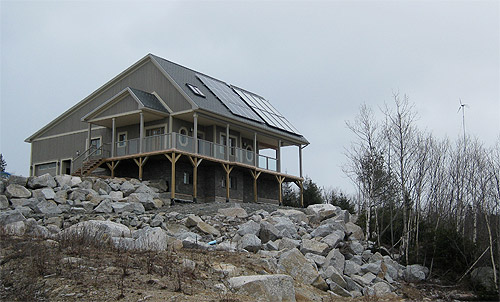
The Sun and Wind powered home:

off-grid-power-1

If you are looking at building your home off-grid or if you are simply interested in using solar or wind to power a weekend cottage, we can design and provide the system to meet your needs.

Types of technology:

There are three main types of technology that allow the home-owner to use the natural resources at the site:

  1. Solar Power
  2. Wind Power
  3. Micro-hydro
  4. Combo-Hybrid Systems

Off Grid Power System Design

There are many examples of people who successfully live off grid using solar, wind, hydropower or a combination of the above. There are many unfortunate examples of people who try to live off-grid, but through unrealistic expectations or poor system design or a combination of the two, end up dissatisfied with their system and revert to a more conventional lifestyle. The main things that need to be done to have a successful off-grid home are:

  1. Expectations
  2. Design
  3. Maintenance

Expectations: I often get asked, "What would it cost to power my home with solar?" Usually the homeowner has a bungalow with electric heat, water, an electric range, a refrigerator in the kitchen and a freezer in the basement, an air exchange unit and an air-conditioner along with the usual lights, TV and stereo. My answer would be, "About $160,000.00"

The assumption here is that you can take a conventional home, unplug from the grid, plug into solar and continue as usual. This is not economically sensible.

Energy Consumption Percentages Conventional Home

If we are to design an off-grid power system we need to do an energy budget. An energy budget, like the chart above, is a table detailing all of the electrical energy that will be used in the home.

Energy In=Energy Out

In order to reduce system cost we must reduce the amount of electrical energy we use:

  • Use wood or natural gas to meet most of your cooking needs except when there is extra energy available
  • Use solar thermal technology and wood or natural gas to heat your domestic hot water
  • Use solar thermal technology and wood or natural gas and passive solar to heat home. The ideal delivery system for stored thermal energy is radiant hydronic.
  • Use efficient Sundanzer refrigerators and freezers
  • Install a humidistat controlled air exchange system
  • Use efficient LED lighting for all your light needs
  • Divert excess electrical energy (your dump load) to supplement your home domestic hot water and heating needs
  • Use an efficient Grundfos SQFlex or Sunpump for your domestic hot water.

Energy Consumption Percentages Careful Home

The additional energy efficiency infrastructure required for your house will probably be in the range of 5% of total cost of your home and your refrigeration and lighting will also be quieter and more reliable than conventional equipment. Given the increased capital value of your home and the reduced operating costs your long-term financial outlook will be much better than with conventional construction.

Some things to avoid if you live off-grid:

  • Low voltage lighting systems (i.e. GU10 halogen lights) that operate on 12 volts and require a transformer. The transformer will continue to consume power whether the light is on or not. In a large house, 10 of these transformers can add up to 2.4kWh/day
  • Water heaters and other appliances that use a blower. Many blowers are very cheaply constructed, are inefficient, and run a lot of the time.
  • Conventional pumps for hydronic heating are generally inefficient and run the most in the winter when the least amount of energy is available.
  • Inefficient refrigerators and freezers
  • HRV units that run all the time

We will assist you with the design of your off-grid home, and we will design your power system as well as assist you with choosing your appliances.